Leafentia AI - Plant Library
Snake Plant Care Guide
Scientific nameDracaena trifasciata
Snake Plant is a useful plant library profile for understanding light, water, soil, safety awareness, common problems, and Care Guidance with Leafentia AI.
Common names
Snake plantMother-in-law's tongueSansevieria
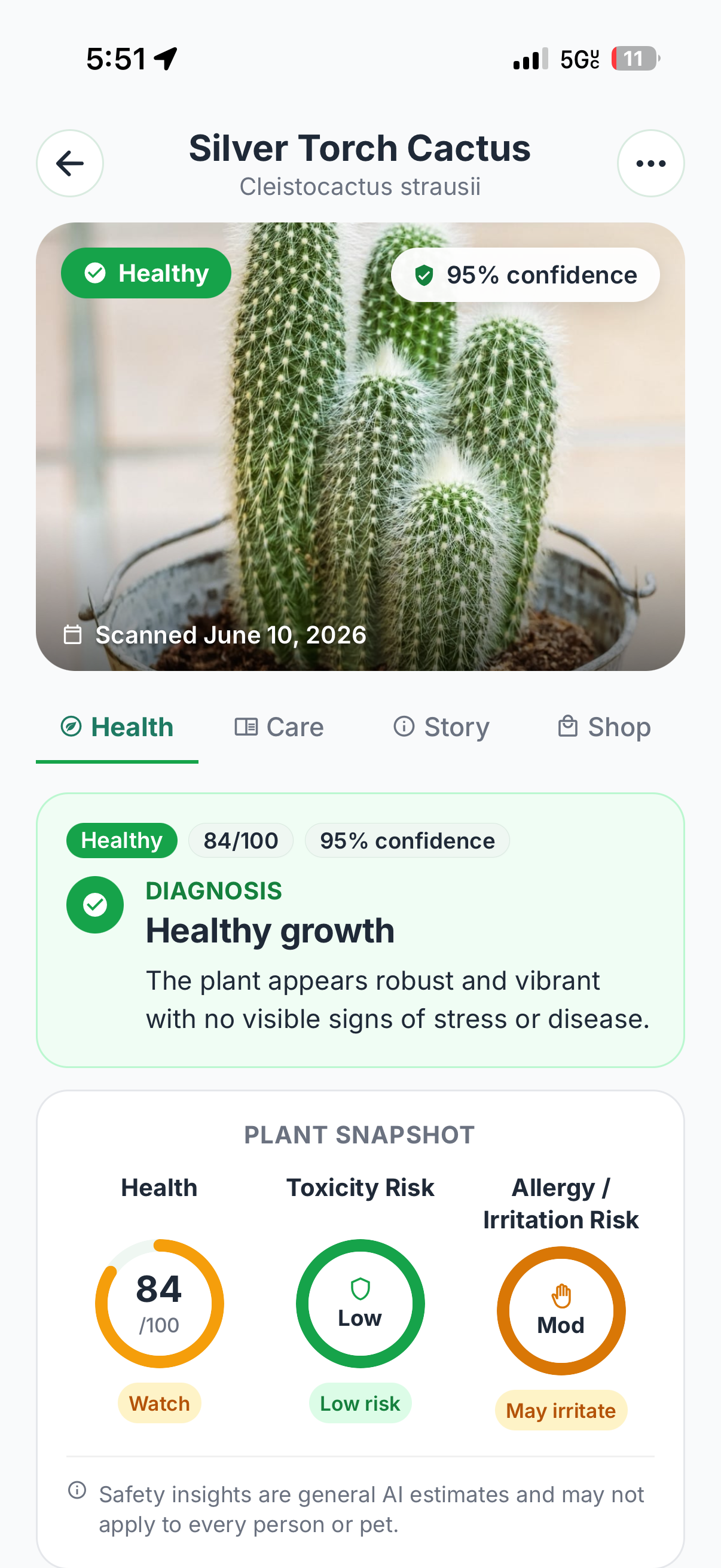
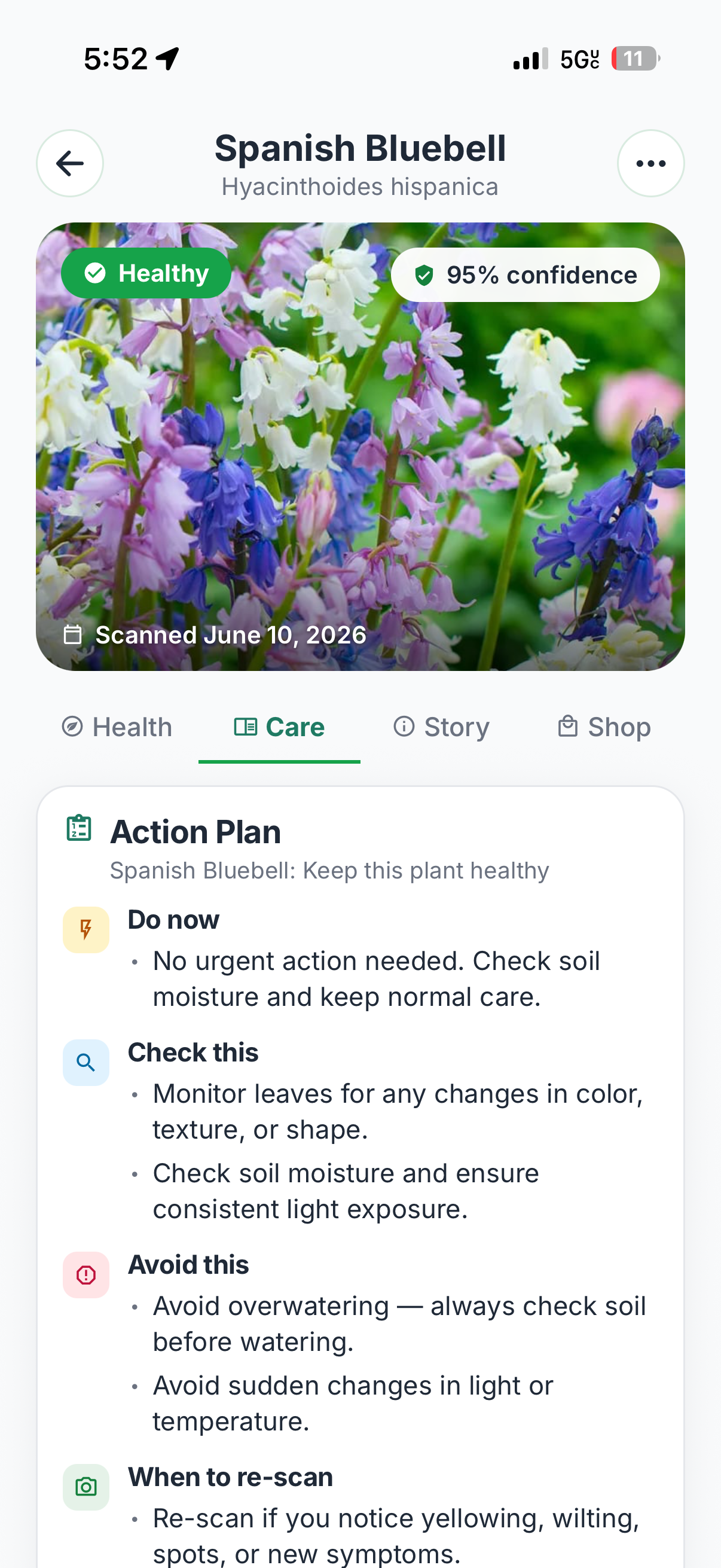

Plant Science AI
Save care notes, review visible signs, and re-scan over time.
Plant overview
Snake Plant is commonly grown as a evergreen indoor foliage plant. This plant page gives a practical starting point for care, visible signs, and suggested next steps while the Plant Library expands with richer plant knowledge over time.
At a glance
Quick facts
Scan your plant with Leafentia AI
Use Plant Science AI to save your plant, review visible signs, get informational Care Guidance, and re-scan as conditions change.
Care guide
Light
Tolerates low light, but grows best in bright, indirect light.
Water
Let the soil dry well between watering. Avoid keeping the potting mix wet.
Humidity
Average indoor humidity is usually suitable.
Soil
Use a well-draining potting mix with good airflow around roots.
Temperature
Prefers warm indoor temperatures and protection from cold drafts.
Growth rate
Slow to moderate
Safety awareness
Indoor / outdoor suitability
Strong indoor fit and suitable outdoors only in warm, dry, protected conditions.
Pet safety
Use pet safety awareness and keep out of reach of pets that chew plants.
Child safety
Keep plant material and soil away from young children who may put items in their mouth.
Common problems
Yellow leaves
Yellow leaves on Snake Plant may be connected to watering rhythm, light changes, soil conditions, or natural aging.
- Review recent water and light changes.
- Check soil moisture and drainage context.
- Save the plant and re-scan if visible signs change.
Brown edges or tips
Brown edges can appear when Snake Plant is responding to moisture, light, humidity, temperature, or older growth.
- Compare the newest growth with older leaves.
- Review humidity, direct sun, and watering timing.
- Use Plant Health Insight to organize possible issue context.
Drooping or wilting
Drooping can be a visible sign to review water, heat, roots, light, or recent movement for Snake Plant.
- Check whether soil is wet, dry, or unevenly moist.
- Note recent placement or temperature changes.
- Use Personal Garden history to compare re-scans.
Slow growth
Slow growth may be seasonal or connected to light, temperature, nutrients, container size, or care rhythm.
- Review whether the plant is in an active growth season.
- Check light quality and container context.
- Refresh care notes before making major changes.
Related plants
Scan, save, care, and re-scan plants
Use Leafentia AI for Plant Science AI, Plant Health Insight, Care Guidance, and Personal Garden tracking.
Download on the App StoreFrequently asked questions
Is Snake Plant good for beginners?
Snake Plant can be approachable when its light, water, soil, and temperature needs fit your space. Leafentia AI can help organize Care Guidance and re-scan history.
How much light does Snake Plant need?
Tolerates low light, but grows best in bright, indirect light.
How often should I water Snake Plant?
Let the soil dry well between watering. Avoid keeping the potting mix wet. Check the plant, potting mix, season, and room conditions before changing your routine.
Can Leafentia AI help with Snake Plant care?
Yes. Leafentia AI can provide informational Plant Health Insight, Care Guidance, Personal Garden tracking, and re-scan support for Snake Plant.